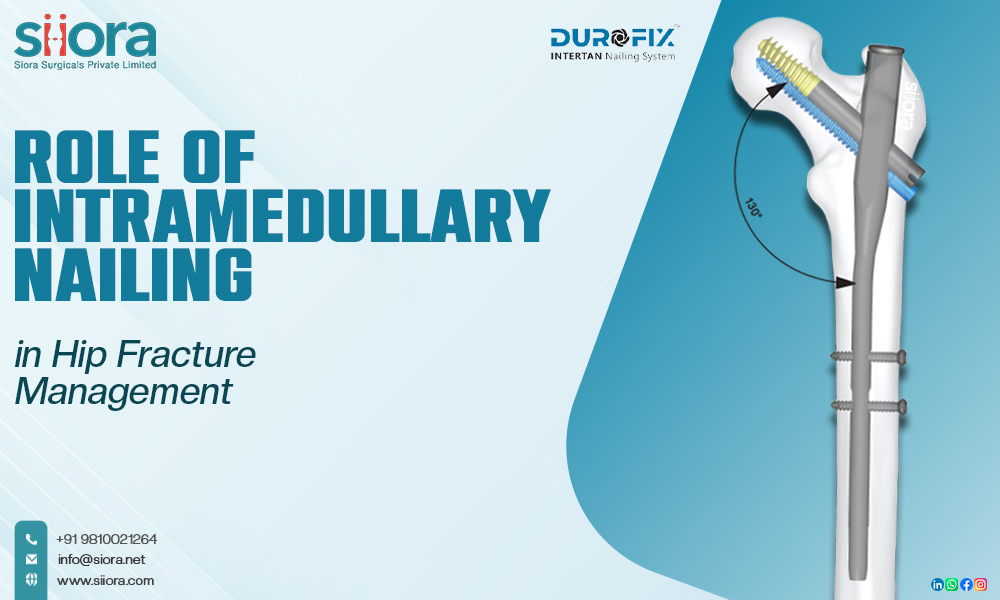
Breaking a hip is not just another injury—it can completely change someone’s life. Simple tasks like standing from a chair, walking across the room, or even sleeping comfortably suddenly feel impossible. Among the different treatments available, intramedullary nailing (Intertan Hip Nail) has become a mainstay in modern orthopedic practice. Surgeons favor it not only for its mechanical strength but also because it often helps patients regain independence faster than with older methods like plates and screws.
Why Stability Matters Most?
The hip carries the weight of the entire body. Think about it: every step, every movement, funnels pressure through this joint. When the bone breaks, you need more than a temporary fix—you need something strong enough to take on serious mechanical stress. In the past, plates were used along the outside of the bone. They worked, but the stress wasn’t always shared evenly and sometimes led to failures. A nail, however, runs right down the center of the femur. It’s like placing a steel rod inside the bone, guiding weight through a natural axis. That positioning gives the fracture a much better chance of healing properly.
Smaller Cuts, Better Healing
One of the real advantages patients notice isn’t just what happens inside the bone but how the surgery is performed. Large incisions used to be the norm when plates were fixed. Bigger cuts meant more bleeding, higher infection risk, and longer wound healing. With IM nailing, the surgeon makes smaller openings and gently slides the nail into the canal. Less disturbance to muscles and tissues usually leads to a smoother recovery. For older patients or those dealing with conditions like diabetes, that can make a world of difference.
Moving on Your Feet Quicker
Anyone who’s been on crutches for weeks knows how draining it can be. One of the most valuable things IM nailing brings to the table is earlier mobility. Because the fixation is stronger, many patients can stand or walk with support shortly after surgery. That early progress matters—both for physical health and mental outlook. Staying in bed too long weakens muscles, slows circulation, and can even trigger other health issues. Getting moving faster not only speeds bone healing but also keeps the rest of the body healthier.
Fewer Headaches with Hardware
Patients who had older hip surgeries often talk about one recurring problem: “the screws bother me.” Screws can shift, plates can dig into soft tissue, and irritation is common. Sometimes a second operation is even needed to remove them. With intramedullary nails, most of the hardware is hidden inside the bone. That means fewer sharp edges pressing on muscles or rubbing against skin, and fewer complaints after recovery. It simply feels less intrusive long term.
Handling Complicated Fractures
Not all hip fractures are the same. Some are straightforward breaks; others are messy, unstable, or extend into tricky areas of the bone. This is where IM nails show their versatility. They’re particularly effective in unstable fractures, where plates often struggle to hold alignment under constant stress. Surgeons can also adapt nail systems during complex cases or revision surgeries when bone quality isn’t ideal. That adaptability gives nails an edge when treating the wide range of hip injuries that walk into the operating theater.
Built to Last
The hip isn’t a joint you can baby forever—it has to carry weight, every day, for the rest of someone’s life. Implants need to withstand that reality. Plates and screws sometimes fail over time under the repeated load of walking. Nails, aligned with the body’s natural forces, spread pressure more efficiently. That makes them less likely to “give up” down the line. For patients, it means reliability and confidence that the repair will hold.
Beyond Bone Healing
At its core, hip fracture treatment is about more than the bone mending—it’s about restoring quality of life. Being able to walk to the bathroom, enjoy a meal at the table, or visit loved ones without fear of falling again means everything. By giving faster mobility, fewer complications, and durable fixation, IM nailing helps patients not just survive a hip fracture but move past it.
Closing Thoughts
While plates and screws will always have a role, the rise of intramedullary nailing in hip fracture management shows how far orthopedic surgery has come. It blends strength with less invasive techniques, supports quicker rehabilitation, and delivers results that last. At the end of the day, it’s more than just a trauma implant—it’s a pathway to getting patients back on their feet, living with less pain and more confidence.
 Siora Surgicals Pvt. Ltd.